They can start out as underwater volcanoes, take up to 30 million years to form – and are home to about 1 million people - BBC Wildlife Magazine
21 days ago
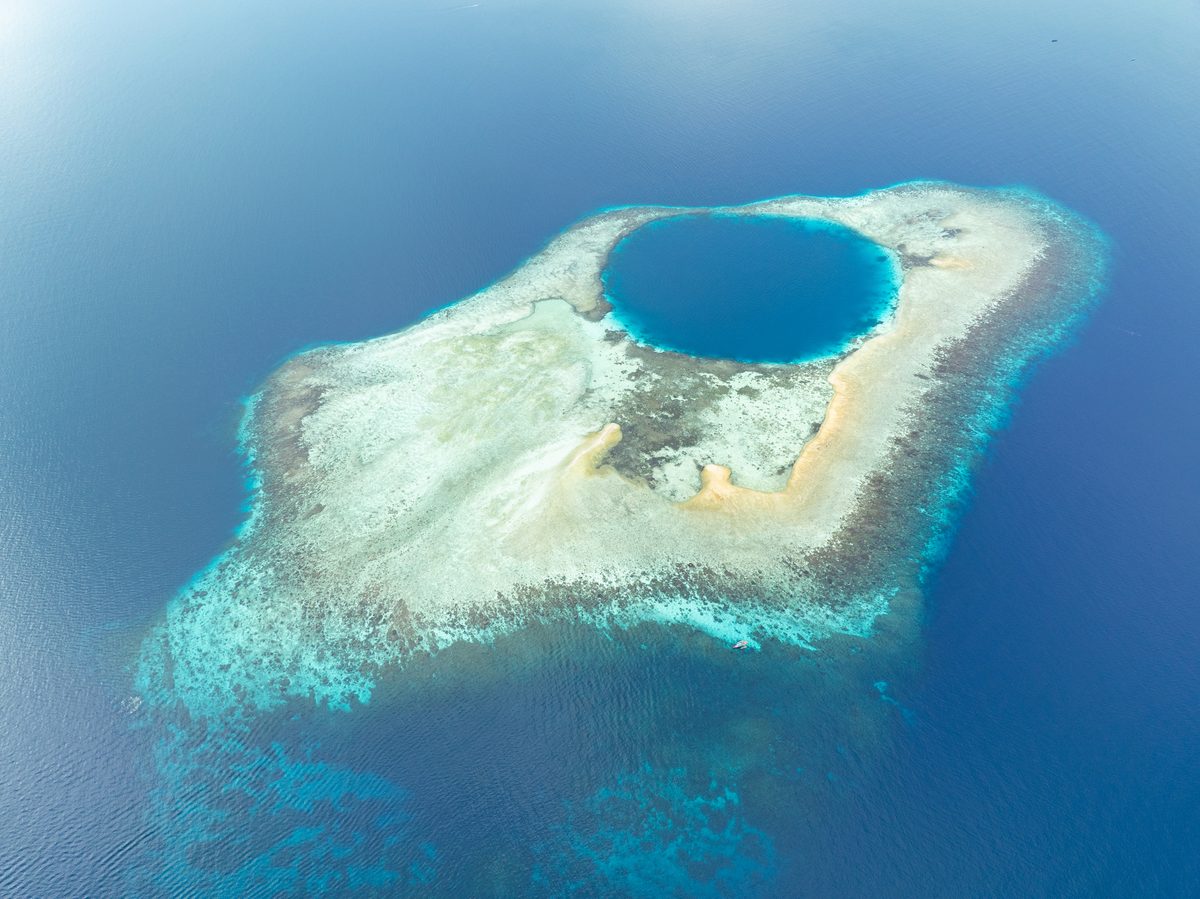
An atoll is a fascinating geographical formation characterized by a ring-shaped island that often consists of multiple small islets, all encircling a central lagoon. These unique structures are primarily composed of coral, built over thousands of years through the accumulation of coral reefs. The formation process of atolls begins with the growth of coral reefs around volcanic islands. As the volcanic island gradually erodes and sinks over time, the coral continues to thrive and expand, eventually resulting in the formation of a lagoon in the center. This transformation reflects a delicate balance of geological and biological processes, demonstrating the intricate relationships between marine life and the environment. Located primarily in warm tropical or subtropical areas, atolls thrive in regions where the sea temperatures are consistently high, typically between 18 and 30 degrees Celsius. This warm environment is crucial for coral growth, as corals are sensitive to temperature fluctuations and require specific conditions to flourish. The presence of sunlight is another vital factor, as corals rely on a symbiotic relationship with zooxanthellae, microscopic algae that photosynthesize and provide nutrients to the corals. Consequently, atolls are predominantly found in the Pacific and Indian Oceans, with notable examples including the Maldives, the Marshall Islands, and the Tuamotu Archipelago. These regions not only showcase the beauty of atolls but also highlight their ecological significance within marine ecosystems. The ecological importance of atolls extends beyond their stunning beauty. These formations create diverse habitats that support a wide range of marine life, including fish, crustaceans, and other invertebrates. The lagoon and surrounding coral reefs serve as nurseries for many species, providing protection from predators and abundant food sources. Moreover, the complex structure of the coral itself offers shelter and breeding grounds for various marine organisms, contributing to the biodiversity of the ocean. Atolls also play a crucial role in coastal protection, acting as barriers against storm surges and erosion, thereby safeguarding the coastal communities and ecosystems that depend on them. However, atolls face significant threats from climate change, pollution, and human activities. Rising sea levels pose a particularly dire risk, as they can submerge low-lying atolls, threatening both the natural environment and the livelihoods of the communities that inhabit these islands. Additionally, ocean acidification resulting from increased carbon dioxide levels can weaken coral structures, making them more susceptible to bleaching events and disease. Conservation efforts are crucial in addressing these challenges, with initiatives focused on protecting coral reefs, managing fisheries sustainably, and raising awareness about the importance of preserving these delicate ecosystems. As we continue to study and appreciate atolls, it becomes increasingly vital to prioritize their conservation to ensure these remarkable formations endure for generations to come.